
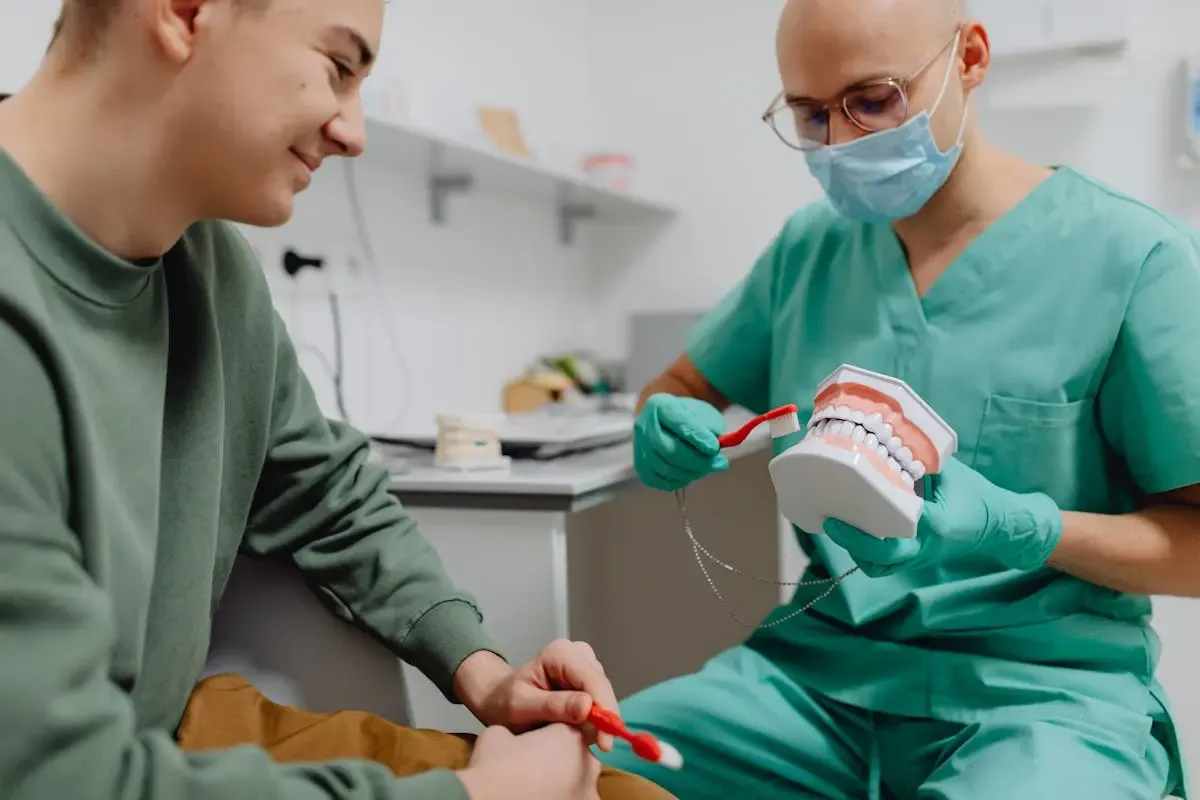
Endodontic treatment, often synonymous with root canal therapy, can be a daunting prospect for many patients. Ensuring a positive experience throughout their journey is essential for patient satisfaction and successful outcomes. From the initial consultation to post-treatment follow-up, every touchpoint plays a vital role in shaping the patient’s perception of care. Let’s explore the key areas that contribute to a quality Endodontic patient journey.
1. Comprehensive Initial Consultation
The patient journey begins with the initial consultation, a critical phase where trust is built. A thorough examination and clear communication are essential. Patients need to understand the diagnosis, the necessity of the procedure, and the expected outcomes.
Key elements to focus on:
2. Accurate Diagnosis and Treatment Planning
Accurate diagnosis is pivotal in Endodontics. Advanced diagnostic tools like Cone Beam Computed Tomography (CBCT) ensure precision in identifying issues that may not be visible on standard X-rays. A well-structured treatment plan tailored to the patient’s specific needs is the next step.
Key areas to enhance:
3. Efficient Scheduling and Communication
Timely scheduling and effective communication are crucial for a smooth patient journey. Delays or unclear instructions can increase patient stress and dissatisfaction.
Areas to optimize:
4. Comfortable Treatment Environment
The treatment phase is where patient comfort and safety are paramount. Creating a soothing environment can significantly reduce anxiety and enhance the overall experience.
Considerations for a quality environment:
5. Post-Treatment Care and Follow-Up
Post-treatment care is often overlooked but is crucial for patient recovery and satisfaction. Effective follow-up ensures that any complications are promptly addressed and that patients feel supported throughout their healing process.
Important aspects to focus on:
6. Feedback and Continuous Improvement
Patient feedback is invaluable for improving the Endodontic journey. Encouraging patients to share their experiences can help identify areas for improvement and reinforce what is working well.
Key strategies include: