
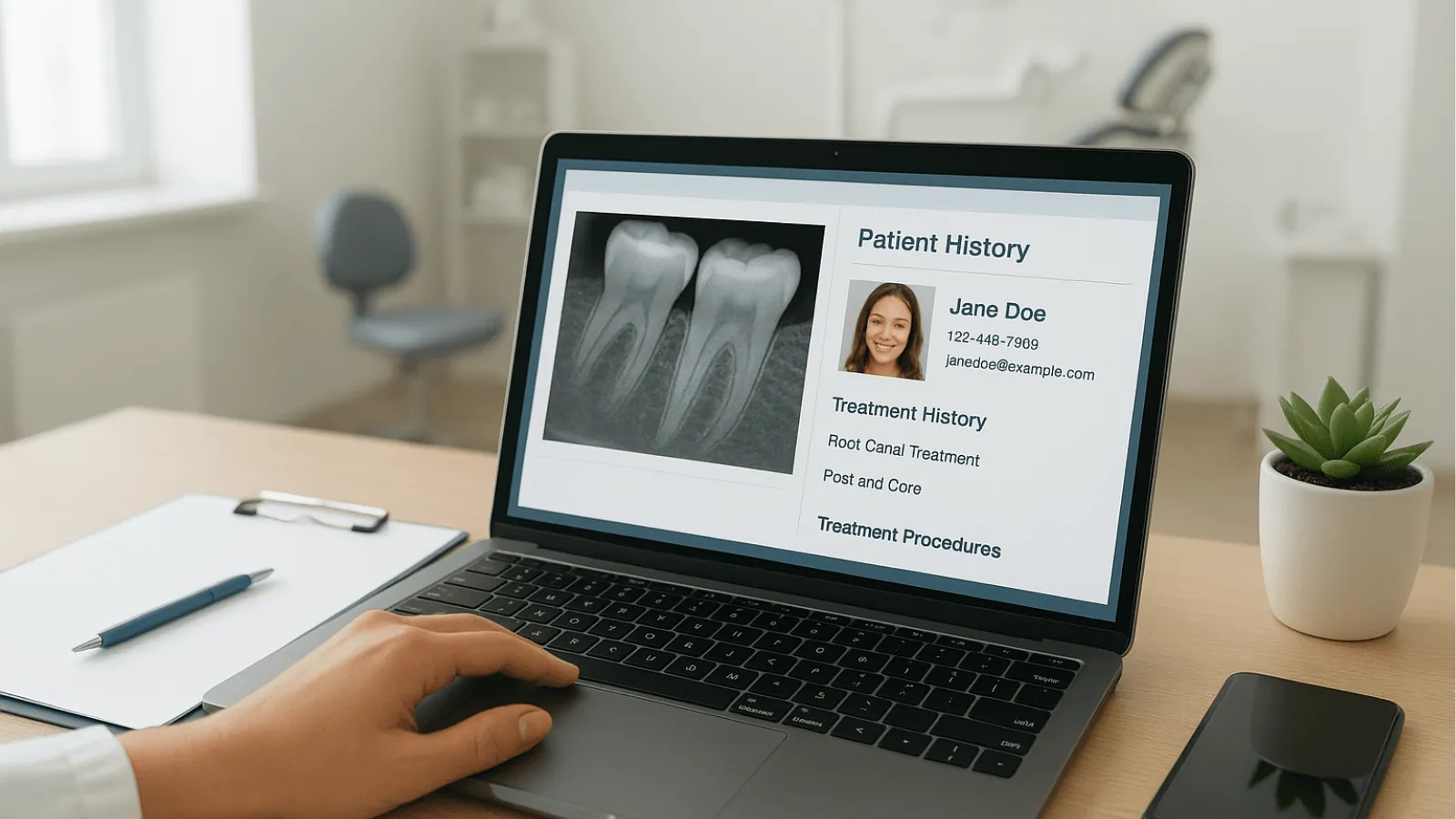
Ever thought about how dentists keep track of all those X-rays and appointments without losing their minds? It’s all thanks to Dental EMR software. The tech that's become a dentist’s best buddy. The real magic happens when this software integrates smoothly with imaging tools and billing systems. In this post, we will talk about what makes a great Dental EMR integration for imaging and billing, and share some top picks for 2025. We will also discuss tips so you walk away feeling like a mini expert.
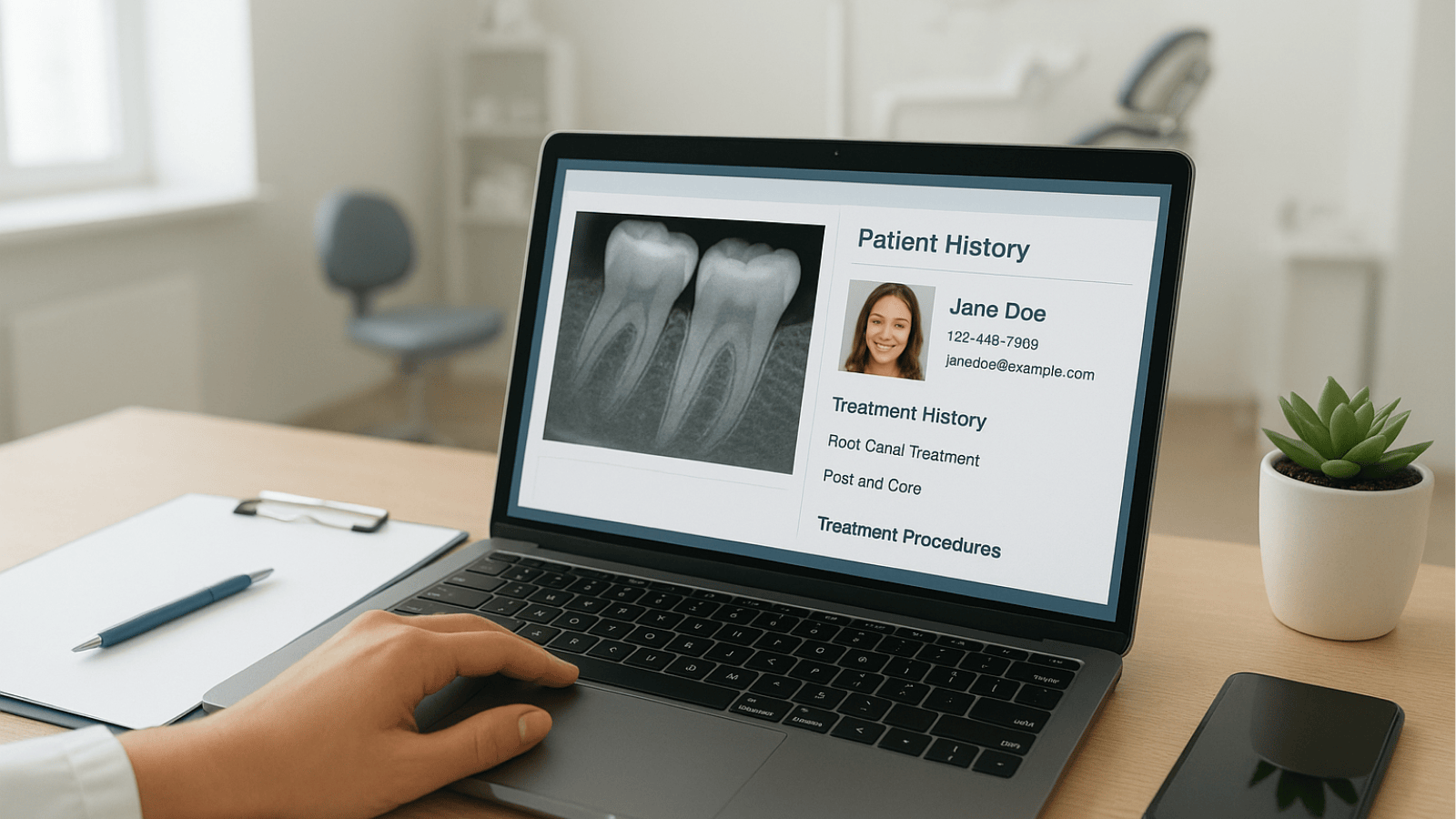
Imagine this. You are a dentist. You have tons of patient images like X-rays, CT scans, and 3D photos flying around. If your EMR isn’t connected to those imaging devices, you might be stuck clicking through different programs just to find one patient’s image. This is time-consuming. And what about paying? You could make mistakes and have payments be held up. Even lose claims if your EMR and billing systems don't talk to each other.
Integrations are like the winners in this case. Effective dental EMR systems can connect with image software and billing programs. It makes sure that everything goes quickly, from taking pictures to billing patients and insurance companies.
According to recent reports, the market for electronic medical records (EMRs) in dentistry is growing at a rate of 15% per year. This is because of better patient management and smoother processes.
Finding a Dental EMR that hooks perfectly with imaging tools isn't rocket science. It does take some know-how. Here are some crowd favorites dentists are buzzing about this year:
These tools cut down the chase and keep images linked to patient records in a snap. According to recent market analysis, clinics using integrated imaging EMRs report faster patient flow thanks to smoother workflows.
Billing can be a headache. Insurance claims, patient payments, co-pays, you name it. A Dental EMR with poor billing integration? That just means more time spent getting paid or fixing mistakes. Here’s what’s working well now:
By combining your Dental EMR with one of these billing systems, you are cutting administrative time. That’s big because it means dentists and their teams can focus more on patients instead of paperwork.
It’s tempting to jump on the first shiny software that promises everything, but heads up. There are a few must-haves:
Well, at the end of the day, a dentist’s job is already packed. The last thing they want is tech that slows them down. Great Dental EMR integrations for imaging and billing mean less time wrestling with software and more time giving patients big smiles. If you are looking to upgrade or set up a dental practice, investing in an EMR system that gels well with these tools isn’t just smart, it’s essential. Your team will be grateful that you saved them time and trouble. Ready to make your dental practice run smoother? Choose a reliable Dental EMR that takes care of your imaging and billing without the daily hassle, and you will notice how much easier your work feels in no time.
Schedule a DemoIs it possible to use more than one imaging tool with one Dental EMR?
Many advanced EMRs like Dexis Imaging Suite handle multiple imaging devices, so you are not stuck with just one brand.
Are billing integrations secure for handling insurance info?
Yes. Good dental EMRs keep patient claims safe. They stick to HIPAA rules and use solid encryption so nothing slips through the cracks.
Do cloud-based dental EMRs work more smoothly with other software than the old desktop ones?
Generally, yes. Dentrix Ascend and other cloud-based EMRs provide real-time syncing. It is a more flexible third-party integration and more rapid upgrades.